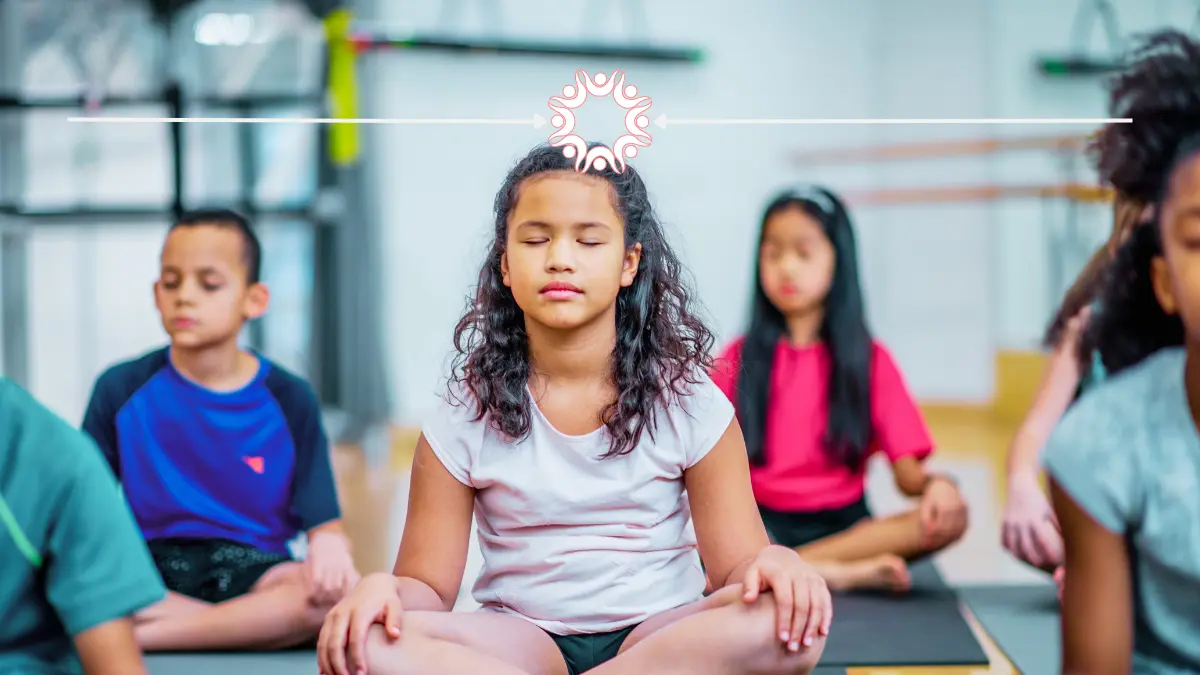
Best Quotes, Books, and Apps to Help Kids Be Mindful
In today’s bustling world, introducing mindfulness to children becomes an invaluable gift, laying the foundation for a lifetime of balanced well-being and emotional intelligence. Mindful quotes can be a great way to intertwine the practice of being present and cultivating awareness at an early age. Below you will find mindful prompts tailored by age, favorite quotes by mindfulness masters, kid-friendly activities designed to cultivate a calm mind, and explore suggested books & apps crafted to support children on their journey to emotional well-being.
Quotes to Help Your Child Have Mindful Moments:
Preschoolers (3-5 years):
- General Mindfulness:
- “Breathe in, breathe out. Feel your breath and be here now.”
- “Notice the colors around you. What colors make you feel happy?”
- “When you hug, feel the warmth and love. Hugs are magical!”
- Gratitude:
- “Think of something you love, say thank you, and feel your heart smile.”
- “Thank your favorite toy for making playtime fun.”
- “Close your eyes and say thank you for a tasty snack.”
- Friendship:
- “Like flowers in a garden, friends make our days colorful and bright.”
- “Draw a picture of you and your friend having fun together.”
- “Share a smile with a friend and see how it brightens both your days.”
- Nature Connection:
- “Look at the clouds, feel the grass, and be friends with nature every day.”
- “Listen to the birds singing. What do you think they’re saying?”
- “Feel the sunshine on your face and imagine it giving you a warm hug.”
Elementary School (6-11 years):
- Mindful Breathing:
- “Inhale courage, exhale kindness. You have the power to choose your breath.”
- “Imagine your breath as a balloon. Fill it up slowly and let it go.”
- “Breathe in for four counts, hold for four, exhale for four. Repeat.”
- Positive Thinking:
- “Your thoughts are like seeds. Plant ones that grow into flowers, not weeds.”
- “Imagine a positive thought as a superhero, protecting your mind.”
- “Challenge negative thoughts by asking, ‘Is this really true?'”
- Resilience:
- “Just like a tree bends in the wind and stands tall again, you can bounce back too.”
- “Think of a challenge as an adventure. How can you overcome it?”
- “Even in storms, trees root down. What roots can you rely on?”
- Self-Compassion:
- “Treat yourself like you would treat your best friend—with kindness and understanding.”
- “If you make a mistake, think about what you’d say to a friend. Say it to yourself.”
- “Be your own cheerleader. Celebrate your successes, big and small.”
Tweens and Teens (12-18 years):
- Present Moment Awareness:
- “Feel your feet on the ground, breathe in the now, and let go of yesterday.”
- “Mindfulness is not about having a blank mind but being aware of your thoughts.”
- “Notice the sights, sounds, and sensations around you. This moment is unique.”
- Stress Management:
- “Stress is like a rocking chair. It gives you something to do but gets you nowhere. Choose calm.”
- “When stressed, take a breath, count to ten, and ask, ‘What can I control?'”
- “Break down big tasks into smaller, manageable steps. One step at a time.”
- Mindful Technology Use:
- “Balance is the key to a mindful life. Unplug, breathe, and connect with the real world.”
- “Set tech-free times to focus on real-life connections and experiences.”
- “Be aware of how technology makes you feel. Take breaks to refresh your mind.”
- Empathy:
- “Walk in someone else’s shoes, see the world through their eyes, and understand without judgment.”
- “Listen actively—hear not only the words but also the feelings behind them.”
- “Before reacting, ask yourself, ‘How would I want to be treated in this situation?'”
General Mindfulness Quotes for All Ages:
- Gratitude Practice:
- “Gratitude turns what we have into enough.”
- “Make a gratitude list. What are three things you’re thankful for today?”
- “Every morning, find one thing to be grateful for before starting your day.”
- Mindful Eating:
- “Before you eat, take a moment to appreciate the colors, smells, and flavors on your plate.”
- “Chew slowly, savoring each bite. What flavors do you notice?”
- “Express gratitude for the hands that prepared your meal and the journey of your food.”
- Mindful Listening:
- “Listen with curiosity, speak with honesty, and act with integrity.”
- “Close your eyes and listen. What sounds do you hear around you?”
- “When someone speaks, focus on their words without thinking about your response.”
- Mindful Breathing:
- “Your breath is a friend that is always with you. Take a moment to listen.”
- “Feel your chest rise and fall with each breath. Be present in this breath.”
- “In challenging moments, return to your breath as a source of calm.”
Quotes from Masters of Mindfulness
Each of these individuals has made substantial contributions to the understanding and practice of mindfulness, meditation, and spiritual well-being in their unique ways, offering words of wisdom for children, and adults alike, to reflect upon.
- “You can’t stop the waves, but you can learn to surf.” -Jon Kabat-Zinn
- “The present moment is filled with joy and happiness. If you are attentive, you will see it.” -Thích Nhất Hạnh
- “Happiness is not something ready-made. It comes from your own actions.” -Dalai Lama
- “If you must look back, do so forgivingly. If you must look forward, do so prayerfully. However, the wisest thing you can do is be present in the present…gratefully.” -Maya Angelou
- “You yourself, as much as anybody in the entire universe, deserve your love and affection.” -Buddha
- “Our prime purpose in this life is to help others. And if you can’t help them, at least don’t hurt them.” -Dalai Lama
- “The most important point is to accept yourself and stand on your two feet.” -Shunryu Suzuki
- “It does not matter how long you are spending on the earth, how much money you have gathered or how much attention you have received. It is the amount of positive vibration you have radiated in life that matters.” -Amit Ray
- “There are many different ways to practice meditation; it’s good to experiment until you find one that seems to suit you.” -Sharon Salzberg
- “Do the difficult things while they are easy and do the great things while they are small. A journey of a thousand miles must begin with a single step.” -Lao Tzu
- “Don’t let the noise of other opinions drown your own inner voice.” – Steve Jobs
- “You hold in your hand an invitation: to remember the transforming power of forgiveness and loving kindness. To remember that no matter where you are and what you face, within your heart peace is possible.” -Jack Kornfield
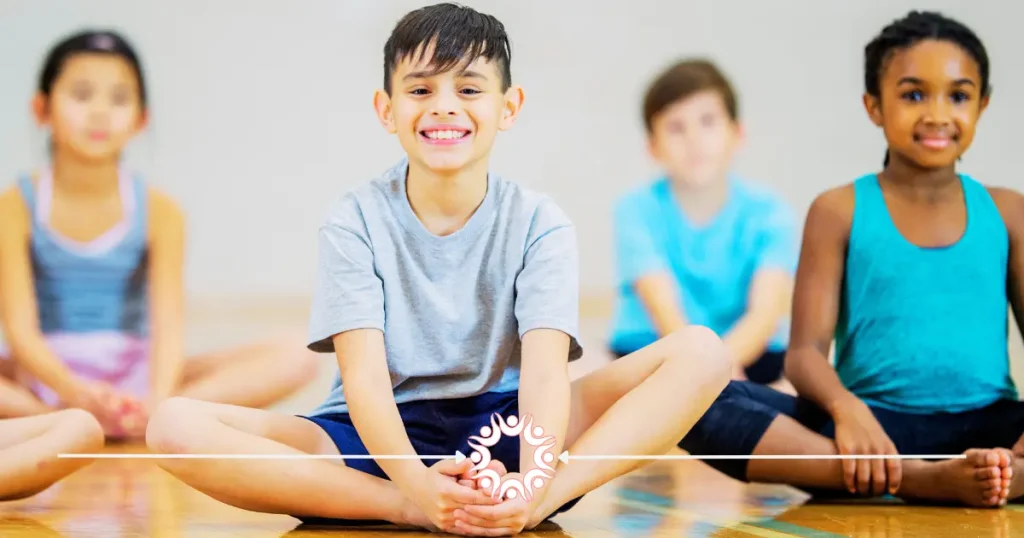
What Mindfulness Means and Why It’s Important
In a fast-paced world filled with constant stimuli, cultivating a mindfulness practice has become a powerful tool for individuals of all ages to find balance and tranquility. Mindfulness, often associated with adults, is equally essential for children in navigating the challenges and complexities of everyday life and their growing years. Just as adults benefit from the practice of being present and attuned to their surroundings, children, too, find solace and enhanced well-being through mindfulness. This intentional focus on the present moment not only nurtures emotional resilience but also instills valuable life skills such as self-awareness and empathy.
By introducing mindfulness to children early on, we empower them with lifelong tools to manage stress, enhance mental health, build healthy relationships, cultivate emotional regulation, and foster a profound connection with themselves and the world around them. In essence, mindfulness becomes a guiding light, helping children navigate the currents of their emotions and experiences, ultimately laying the foundation for a mindful and fulfilling future.
Kid-Friendly Ideas for Practicing Present-Moment Awareness:
- Breathing Buddies:
- Have kids lie down with a stuffed animal on their stomachs. Instruct them to focus on the rise and fall of the stuffed animal as they take slow, deep breaths.
- Sensory Exploration:
- Engage the senses by asking kids to notice and describe what they see, hear, smell, taste, and touch. This can be done during a nature walk, while eating a snack, or simply sitting quietly.
- Mindful Coloring:
- Provide coloring sheets or a blank canvas and encourage mindful coloring. Focus on each stroke, the colors chosen, and the patterns created. It’s a creative and calming exercise.
- Bubble Breaths:
- Blow bubbles and have kids take slow, deep breaths as they watch the bubbles float away. It’s a playful way to teach mindful, conscious breathing.
- Mindful Listening:
- Play a sound or music, and ask kids to close their eyes and listen attentively. Afterward, discuss the various sounds they noticed during the activity.
- Gratitude Journal:
- Have kids keep a gratitude journal where they write or draw things they are thankful for each day. This fosters a positive mindset. Get started with our “Week of Gratitude Prompts for Kids”.
- Yoga for Kids:
- Introduce simple yoga poses designed for children. Combine movements with mindful breathing to enhance flexibility and mindfulness.
- Guided Imagery:
- Lead kids through a guided imagery session, encouraging them to imagine peaceful and positive scenes. This helps them relax and engage their imagination.
- Mindful Walking:
- Practice walking mindfully by encouraging kids to focus on the sensations in their feet with each step. This is best done outdoors in fresh air (bonus points for being barefoot!).
- Mindful Eating:
- Engage in mindful eating by having kids pay close attention to the flavors, textures, and smells of their food. Encourage them to eat slowly and savor each bite.
- Breathing with Props:
- Use props like pinwheels or feathers to make breathing exercises more engaging. Inhale and exhale with the movement of the props.
- Mindful Body Scan:
- Guide kids in a body scan mindfulness meditation where they focus on different parts of their body, starting from their toes and moving up to the top of their head.
- Nature Observation:
- Spend time in nature and encourage kids to observe the environment mindfully taking note of the blue sky or the singing birds. Ask them to notice the colors, shapes, and sounds of the natural world.
- Mindful Storytelling:
- Read a story together, emphasizing the importance of paying attention to the narrative and characters. Discuss the story mindfully afterward.
These mindfulness activities are designed to make mindfulness accessible and enjoyable for children, fostering a sense of calm and awareness to little moments in their daily lives.
Books That Help Teach Children Mindfulness
Here is a list of popular books about mindfulness for kids:
- “Mindful Monkey, Happy Panda” by Lauren Alderfer
- Follow Monkey and Panda as they explore mindfulness in a charming and relatable way.
- “The Mindful Dragon: A Dragon Book about Mindfulness” by Steve Herman
- A delightful story introducing mindfulness through the adventures of a dragon.
- “Sitting Still Like a Frog: Mindfulness Exercises for Kids (and Their Parents)” by Eline Snel
- A practical guide with mindfulness exercises suitable for children.
- “Moody Cow Meditates” by Kerry Lee MacLean
- A humorous story about a moody cow learning to manage emotions through mindfulness.
- “I Am Peace: A Book of Mindfulness” by Susan Verde
- A beautifully illustrated book introducing mindfulness and peace to young readers.
These books offer engaging and accessible ways to introduce mindfulness to kids, making it a positive and enjoyable experience.
Mindfulness Apps for Young Minds
As technology becomes an integral part of children’s lives, mindfulness apps designed specifically for kids can be valuable tools.
- Headspace for Kids:
- Headspace offers a dedicated section for kids, featuring guided meditations, mindful breathing exercises, and animations. The content is tailored for different age groups, making it suitable for children of various developmental stages.
- Calm Kids:
- Calm Kids provides a variety of guided meditations, breathing exercises, and sleep stories designed for children. The app aims to help kids build resilience, manage stress, and improve sleep.
- Breathe, Think, Do with Sesame:
- Created by Sesame Street, this app helps children manage emotions through fun and interactive activities. It encourages kids to practice mindfulness by breathing, thinking, and making positive choices.
- DreamyKid:
- DreamyKid offers guided meditations and sleep stories specifically designed for children. The app covers topics such as relaxation, focus, and confidence-building.
- Super Stretch Yoga:
- Super Stretch Yoga introduces children to yoga and mindfulness through animated characters and interactive activities. The app is designed to enhance flexibility, balance, and relaxation.
As we step into the world of mindfulness, we uncover a profound truth – that it is a state of mind and the essence of joy lies in the little things and the most ordinary moments — and what a most precious gift to give our children, the realization of the truth of that.