

Thumb Sucking and Pacifier Use in Babies and Toddlers: What’s Normal and When to Be Concerned?
This article is part of our three-part series with Paschen Orthodontics, where we’re exploring topics related to children’s oral health, development, and overall wellness. In each article, Dr. Dani shares insights and practical information to help parents better understand how early habits and development can impact children as they grow.
Today’s topic tackles a question many parents have wondered about at one point or another: thumb sucking and pacifier use.
Babies are born with a natural sucking reflex. Sucking provides more than nutrition when feeding (nutritive sucking). In fact, it is a sophisticated tool babies use to organize their nervous system.
This type of sucking, referred to as “non-nutritive sucking” helps infants regulate emotions, self-soothe, and feel secure. Non-nutritive sucking generally involves fingers or pacifiers but may also extend to other objects.
Read on to learn more.
Why Babies Suck Their Thumb or Use a Pacifier
Research Shows Infants use Non-nutritive Sucking as a “Strategy” for:
- Improved self-soothing and calming: When a baby sucks their thumb, they are activating an ancient calming system that tells their body to move into “rest and digest” mode.
- Better sleep initiation and Reduced risk of Sudden Infant Death Syndrome (SIDS) during sleep in the first year of life
- Temporary pain relief: Non-nutritive sucking releases natural pain-relief chemicals and lowers stress.
- A clever workaround: If a child’s tongue isn’t resting comfortably on the roof of their mouth (due to congestion, mouth breathing, a tongue tie, or low muscle tone), they often use their thumb or other objects as a substitute to provide that necessary pressure.
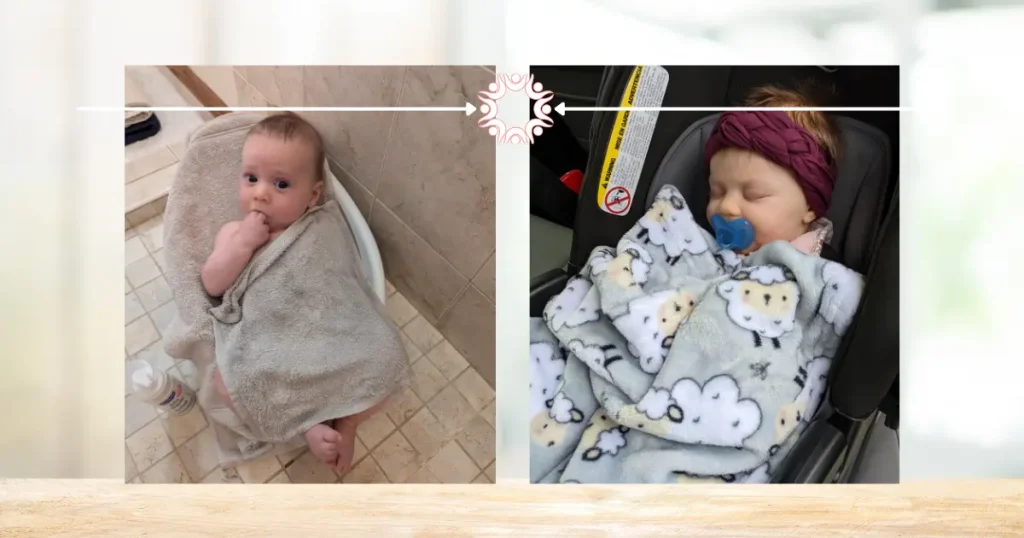
When Should a Child Stop Using a Pacifier or Sucking Their Thumb?
While sucking is perfectly normal for infants and many toddlers under two, there is a developmental “window” where we want to see them move toward more mature skills.
Around 6 months, the nervous system starts shifting. This is when babies begin experimenting with munching, chewing, and moving their tongue side-to-side. If a child relies heavily on sucking well past this stage, it can sometimes get in the way of these new “upgrades.”
The Goal: Healthy Oral Development
We want to see a child move toward healthy oral posture: Lips together, Tongue up, and Breathing through the nose. This trio is the foundation for healthy jaw growth, a good orthodontic foundation, clear speech, and great sleep.
Signs Your Child May Need Additional Support
Consider seeking a professional opinion if you notice:
- The habit continues beyond brief windows or persists most of the day after the age of 6–9 months.
- Your child consistently breathes through their mouth or has a “heavy” or “hanging” lower lip.
- You notice snoring or very messy, difficult chewing.
Gentle Ways to Support the Shift
I recommend beginning the transition away from pacifiers around 6-12 months. Reserve pacifiers for strategic windows to calm your child or to help them fall asleep. Remove the thumb or pacifier them once this has been accomplished. You can support the transition from reliance on a thumb or pacifier by:
1. Prioritize Easy Breathing
If a child’s nose is always stuffed, they must breathe through their mouth. This keeps the tongue low and makes the thumb or pacifier very tempting. If your child is always congested, chat with your pediatrician about a plan to clear those airways.
2. Creating “Calm Zones”
Since sucking is a response to stress or tiredness, a predictable routine can help. Dim lights, quiet voices, and a soft “lovey” or blanket can provide sensory comfort that doesn’t involve the mouth.
3. Using Playful Reminders
For older toddlers, use light, positive cues like “Let’s keep our lips together and breathe through our nose like a ninja.” Instead of “Get that thumb out of your mouth!” If there’s pressure or shaming, the child’s stress goes up—and their urge to suck will go up with it.
4. Encourage chewing
Chewing is the “neuromuscular upgrade” to sucking. It strengthens the jaw and helps the face develop correctly. As your child begins to get their first teeth, offering safe, crunchy, age-appropriate foods encourages the mouth muscles to work in a more mature way.
Additionally, ask us about age-appropriate appliances like the MyoMunchee© or Myobrace Infant Trainer© which help kids swap pacifier sucking for chewing.
Why Early Oral Habits Matter for Long-Term Orthodontic Health
Early soothing habits can support babies emotionally and developmentally. But as children grow, helping them transition away from prolonged sucking habits protects healthy jaw growth, oral muscle function, and long-term orthodontic development.
We are PASSIONATE about your child’s growth at Paschen Orthodontics and we are available to partner with you on your journey. We are now accepting infants and children for cleanings and preventive exams and patients of all ages for complimentary orthodontic evaluations.


